An Inclusive Plan of HR Experience for Individuals with Autism

APHIA is an Erasmus+ project in adult education, coordinated by PUHU BV (Amsterdam, the Netherlands) in partnership with Skill Up Srl (Italy) and Poderío Training & Research (Spain).

Programme
Erasmus+ · KA210-ADU, Small-scale partnerships in adult education
Project number
2025-1-NL01-KA210-ADU-000353361
Duration
3 November 2025 – 2 March 2027 (16 months)
Coordinator
PUHU BV, the Netherlands
Countries
the Netherlands, Italy, Spain
Follow APHIA
LinkedIn · Instagram
APHIA project visual

01 · About

About

How can workplaces work better for people who think, communicate and work differently? APHIA looks for answers in everyday working life, with a focus on the ICT sector.

Instead of asking individuals with autism to fit in, the project looks at how workplaces run: how people are hired, how teams communicate, how tasks are shared and how performance is judged. Habits that most colleagues never notice can make work much harder for someone with a different working style.

APHIA works mainly with HR professionals, because they shape many of these habits. The project follows the principle “Nothing about us, without us”. Individuals with autism help shape what the project learns, and the training is designed to include a co-trainer with autism.

APHIA works in three steps: listening to workplaces in the Netherlands, Italy and Spain; turning what is learned into training for HR professionals; and following up to see what changes.

02 · Why It Matters

Why It Matters

Many individuals with autism want to work, yet finding and keeping a job is where barriers are often greatest.

51.3%

of persons with disabilities in the EU are in work.

75.6%

of persons without disabilities in the EU are in work.

Fewer than 1 in 4

HR professionals have received specific training on supporting neurodivergent colleagues.

Sources: European Disability Forum, Human Rights Report 2023; City & Guilds and Do-IT Solutions.

Some large tech companies have started autism hiring programmes. Obstacles remain at almost every step: the job ad, the interview, onboarding and everyday teamwork. These everyday practices are where APHIA focuses.

03 · Objectives

What APHIA aims to achieve

  1. Listen to workplaces

    Find out what makes work harder, and what helps, by talking with HR professionals, managers, colleagues and individuals with autism themselves.

  2. Turn insights into training

    Develop practical training for HR professionals in the ICT sector.

  3. Make everyday work more inclusive

    Help HR teams rethink hiring, communication and day-to-day collaboration.

  4. Pass it on

    Encourage trained HR professionals to share what they learned in their own organisations, alongside co-trainers with autism.

  5. See what changes

    Follow up after the training and build lasting links between workplaces and autism organisations.

04 · Implementation

Listening, learning, checking what changes.

Completed

1. Fieldwork

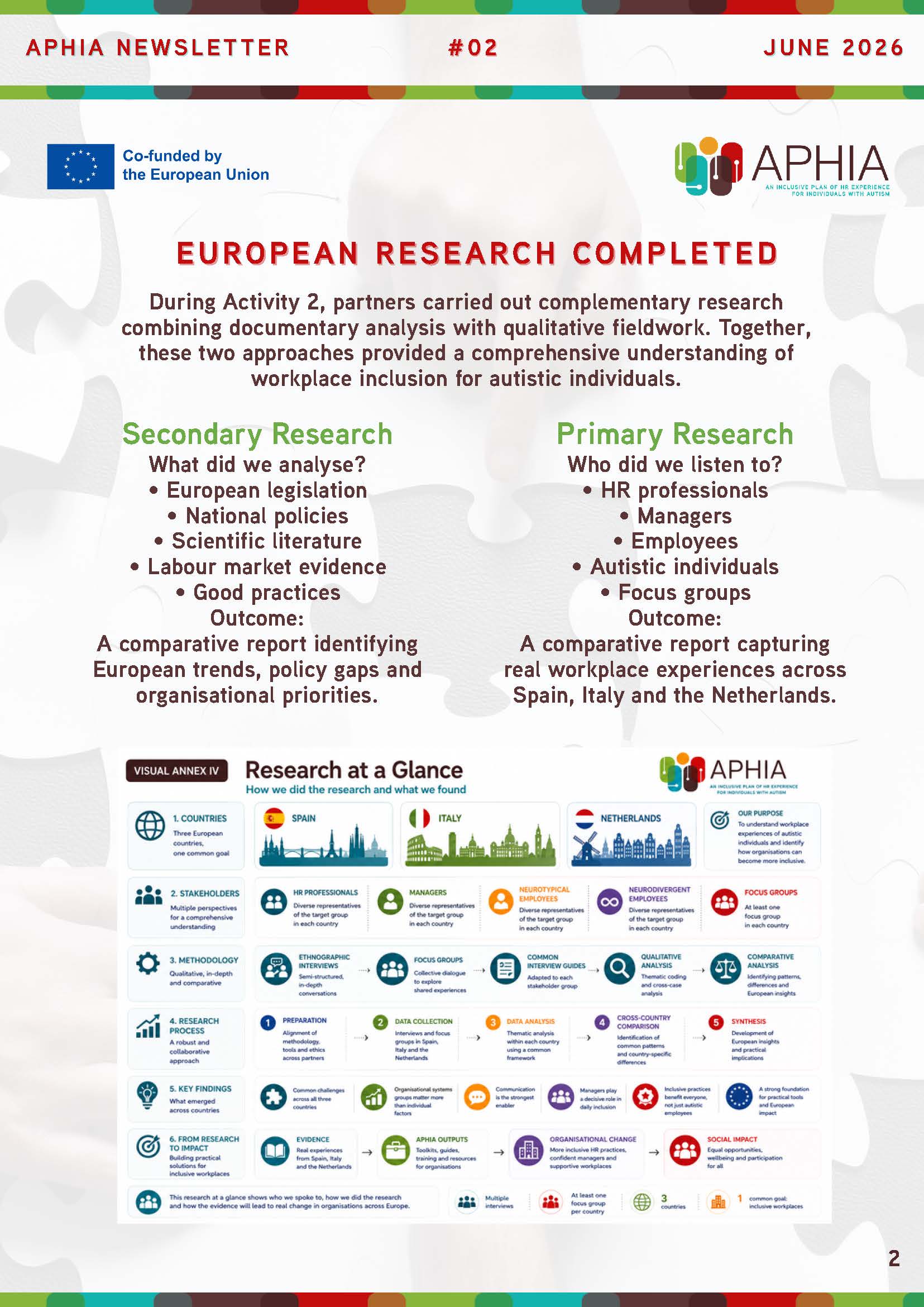
Looking at what already exists. Each partner reviewed laws, policies, research and good practices on the employment of individuals with autism in their own country. The three national reviews were then combined into one European comparison. [link when published]

Listening to workplaces. In the Netherlands, Italy and Spain, the partners held in-depth interviews and mixed focus groups with HR professionals, managers, employees and individuals with autism. All three countries used the same interview guides and the same way of analysing what people said, so the results can be compared.

The aim was to find patterns that repeat across workplaces: in hiring, in communication and in how work is organised and judged. Finding individuals with autism willing to take part was itself difficult in several countries, because of privacy concerns and because many neurodivergent employees are not visible at work. The partners treat this as one of the findings. [link when published]

In progress

2. Training

The fieldwork findings shaped a two-session training for HR professionals.

Session 1 lays the foundations: what autism and neurodiversity are, why language matters, and how HR procedures look from this perspective. Participants then work through an interview scenario step by step: before the interview, during it, communication style, and autonomy and accessibility.

Session 2 opens with APHIA’s research findings. It then looks at masking, common myths, strengths and support needs, and how the physical workplace can help or hinder. It ends with models of disability and what they mean for everyday inclusion. Participants also name one zero-cost change their organisation could make tomorrow.

Participants fill in a short questionnaire before and after the training. Between September and October 2026, pilot trainings took place in the Netherlands, Spain and Italy with HR professionals. The training materials are released under an open licence (CC BY-SA).

Upcoming

3. Follow-up

Trained HR professionals will share the training in their own organisations, with the partners’ support. A follow-up questionnaire will then show what has changed in practice. The results will be shared in national reports and one common report.

05 · News

Latest news

September–October 2026 · the Netherlands, Spain, Italy

Pilot trainings in three countries

The first APHIA trainings took place with HR professionals in all three partner countries. The two sessions build on the project’s fieldwork findings and combine short inputs with real-life interview scenarios and discussion.

June 2026 · Online

APHIA’s second newsletter is out

The second newsletter marks the end of the research phase and the move towards training. Read it below

6 March 2026 · Online

APHIA’s first newsletter is out

The first newsletter marks the project’s move from setting up to putting plans into practice across the partner countries. Read it below

9 January 2026 · Amsterdam

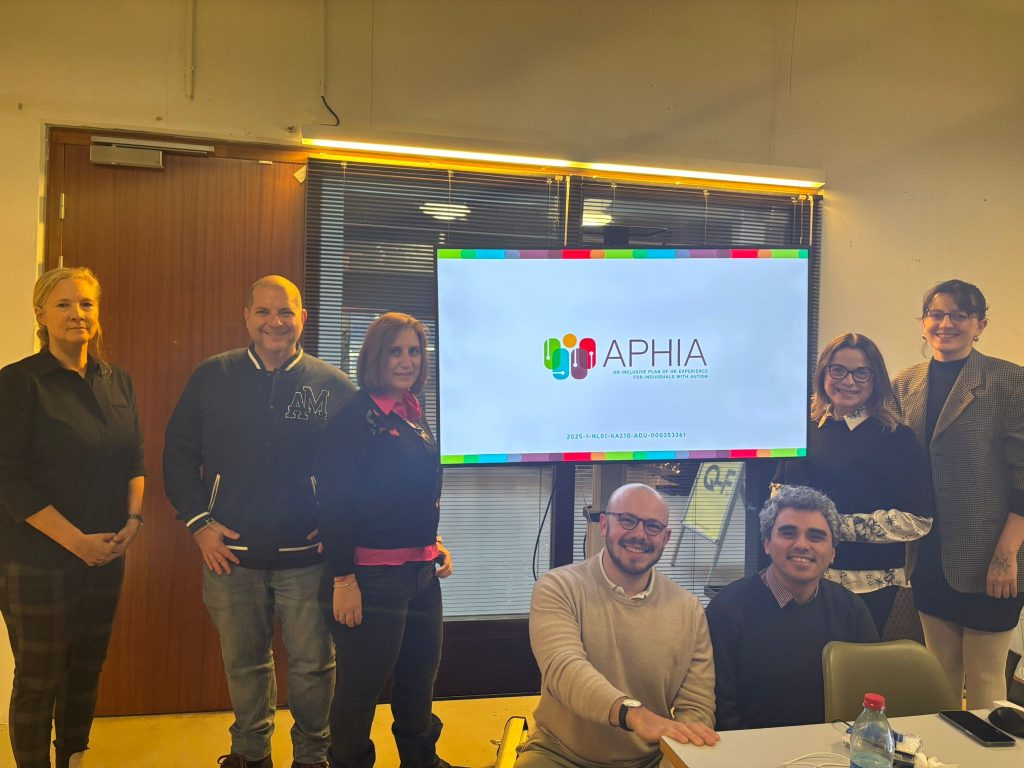
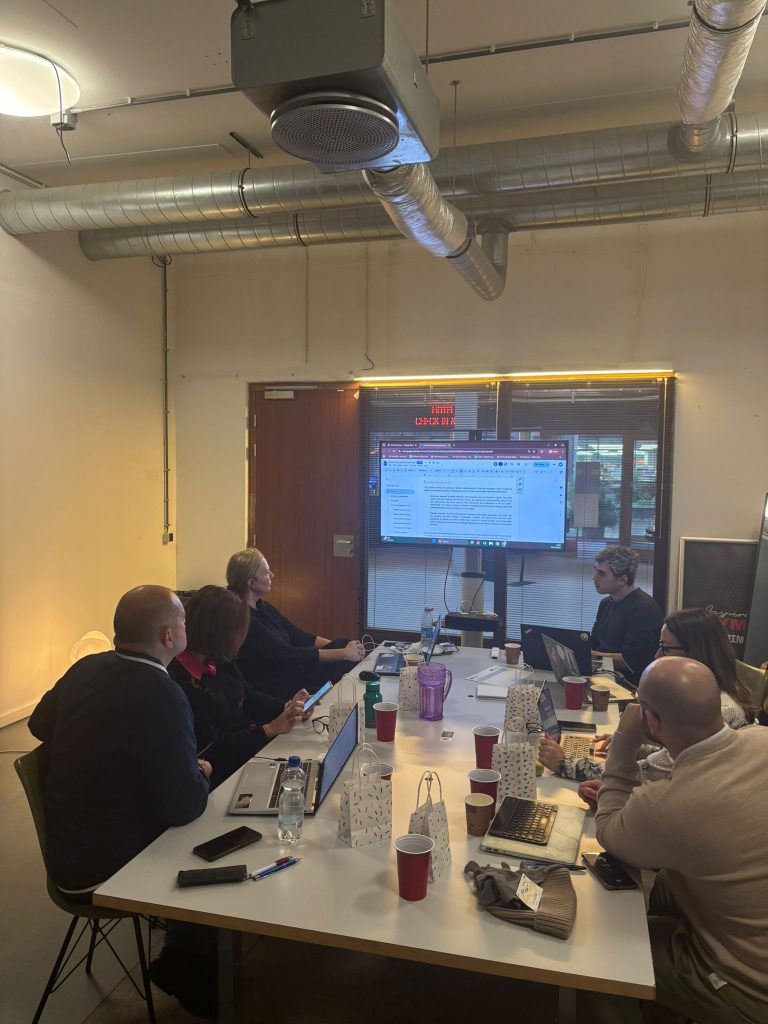
Kick-off meeting in Amsterdam

Despite heavy weather and cancelled flights, the partners met in person in Amsterdam. They agreed how they will work together, reviewed the fieldwork tools, confirmed ethical procedures such as informed consent and confidentiality, and set deadlines for the rest of the project.

APHIA partners at the kick-off meeting in Amsterdam APHIA kick-off meeting in Amsterdam, January 2026

24 November 2025 · Online

Second online meeting: aligning on fieldwork

Logik Evolution presented how the project understands autism and neurodiversity. This led to a discussion on inclusive, non-stigmatising language and ethical research. The partners also agreed on a common structure for interviews and focus groups across the three countries.

31 October 2025 · Online

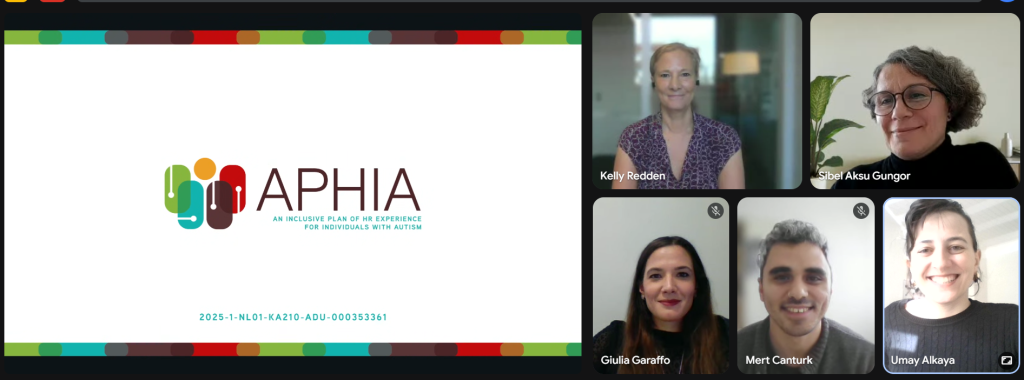
Preliminary online meeting: getting started

In the consortium’s first meeting, PUHU BV, as coordinator, presented the project roadmap. The partners clarified roles, timelines and communication channels.

APHIA preliminary online meeting, October 2025

06 · Newsletters

Newsletters

Click on a page to see it in full size.

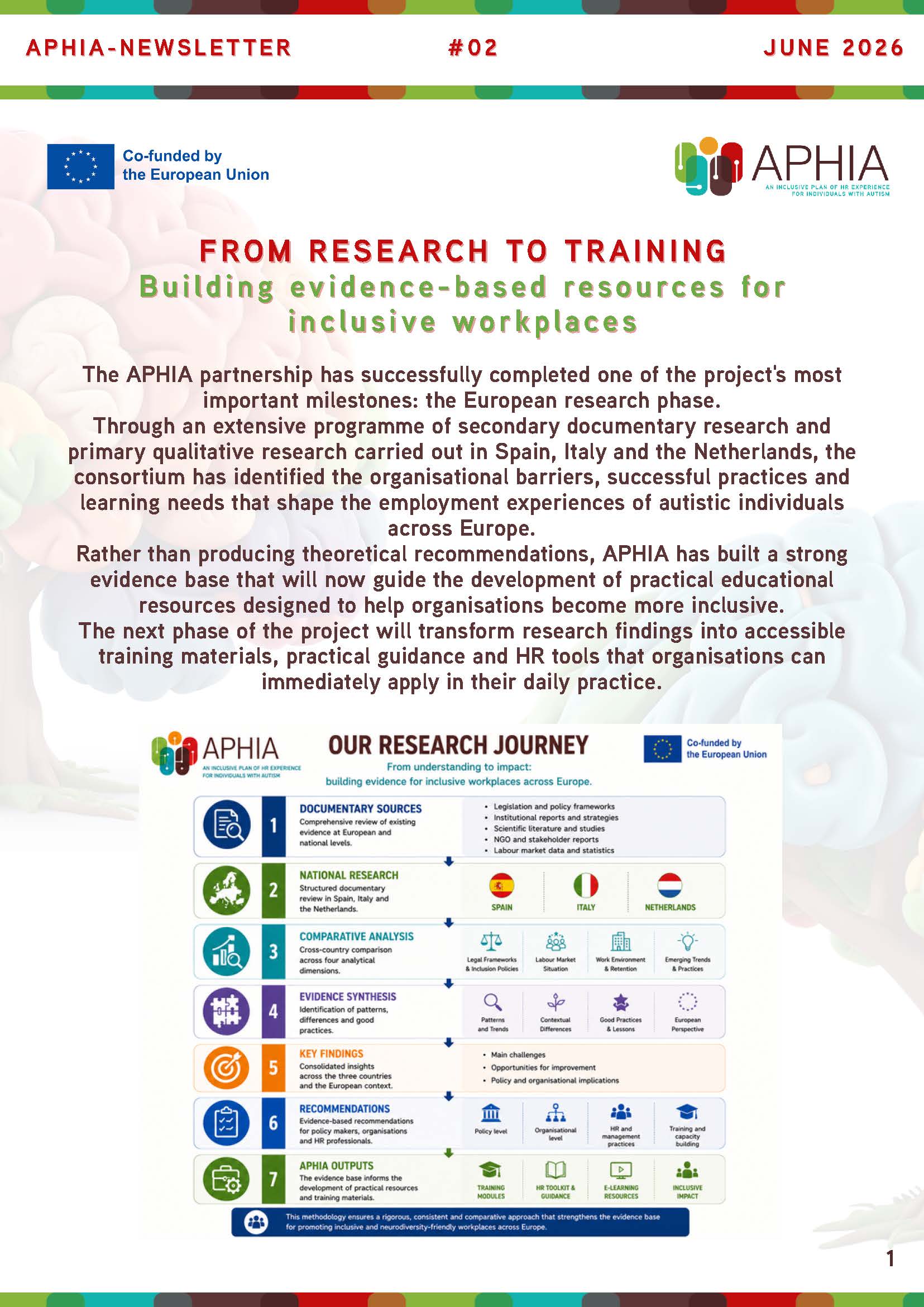
Newsletter #2 · June 2026

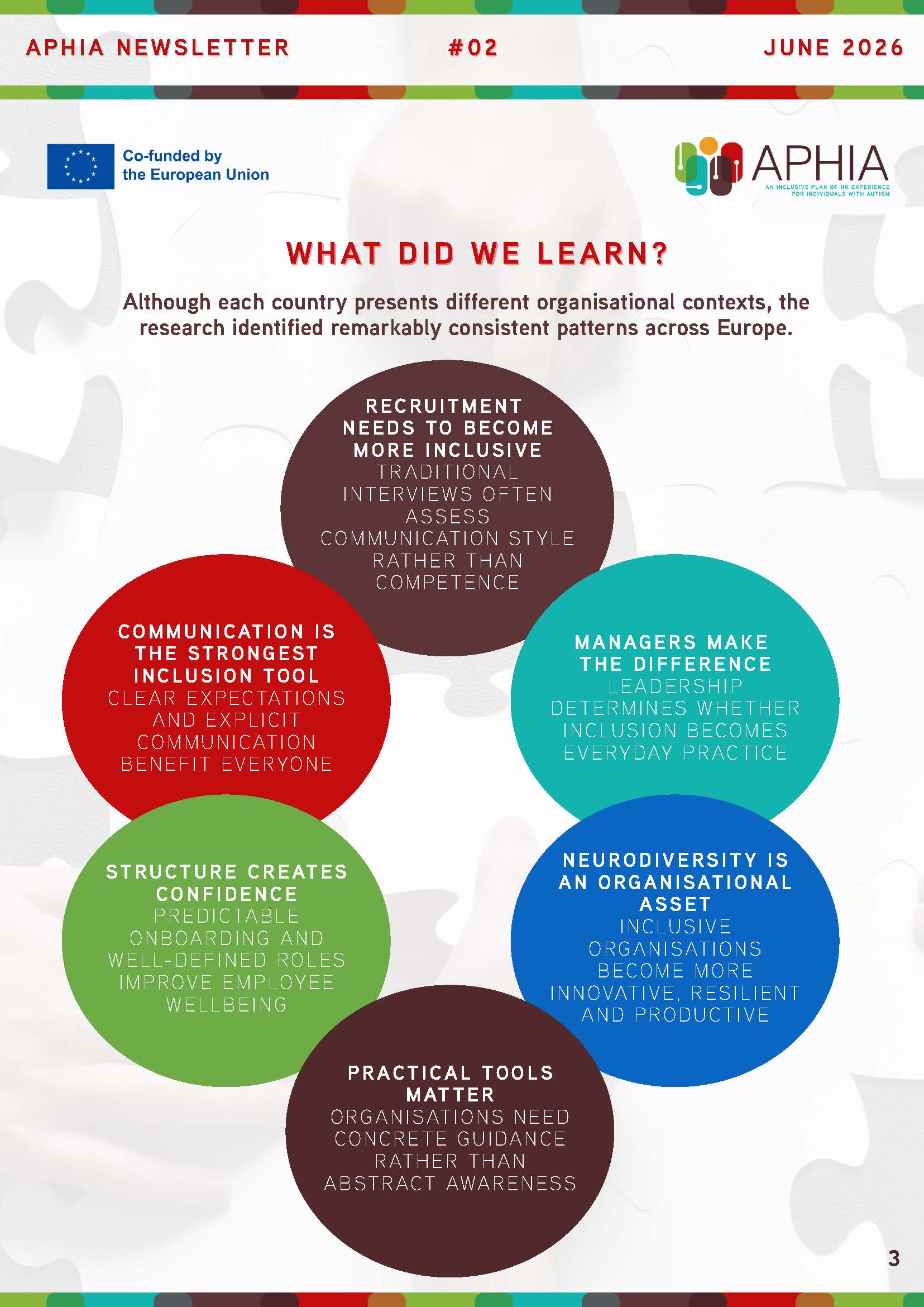
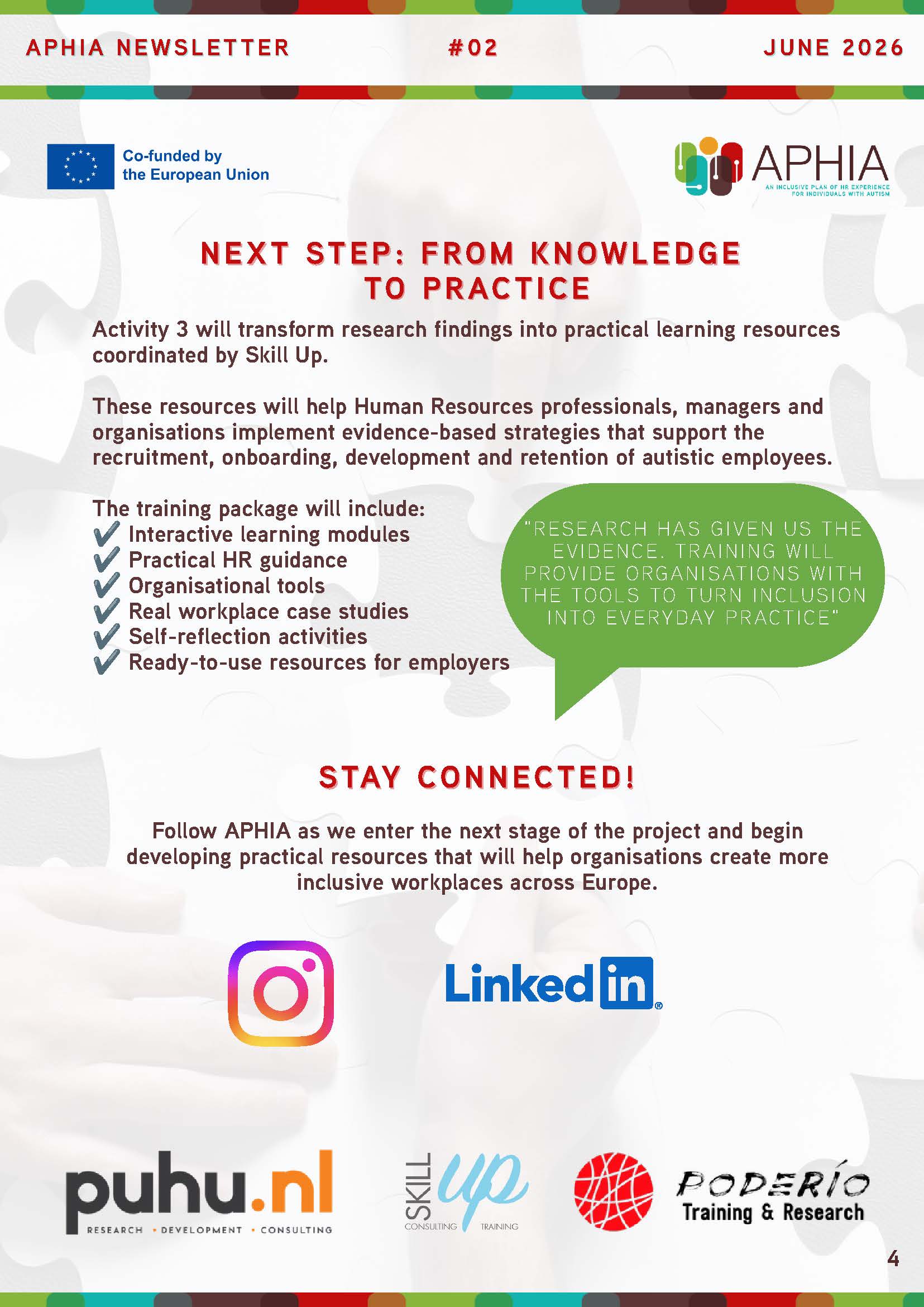
The second newsletter marks the end of the research phase. It explains how the partners combined desk research with interviews and focus groups in Spain, Italy and the Netherlands. It also shares the main lessons: recruitment needs to become more inclusive, clear communication helps everyone, managers make the difference, predictable structures build confidence, practical tools matter more than general awareness, and neurodiversity is an asset for organisations. It closes with the next step: turning these findings into training.

Newsletter #2, page 1: From research to training Newsletter #2, page 2: European research completed Newsletter #2, page 3: What did we learn? Newsletter #2, page 4: Next step, from knowledge to practice

Newsletter #1 · March 2026

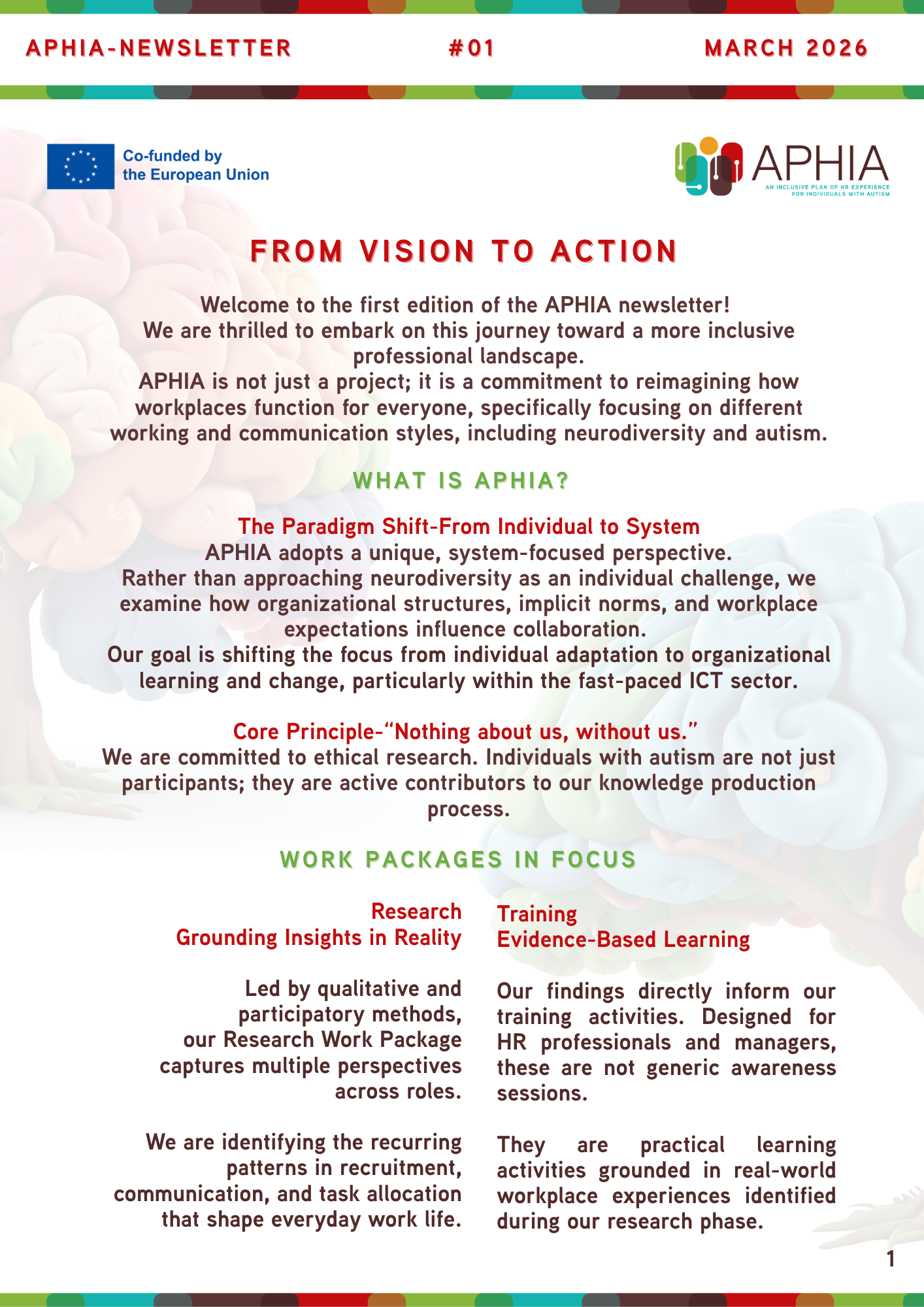
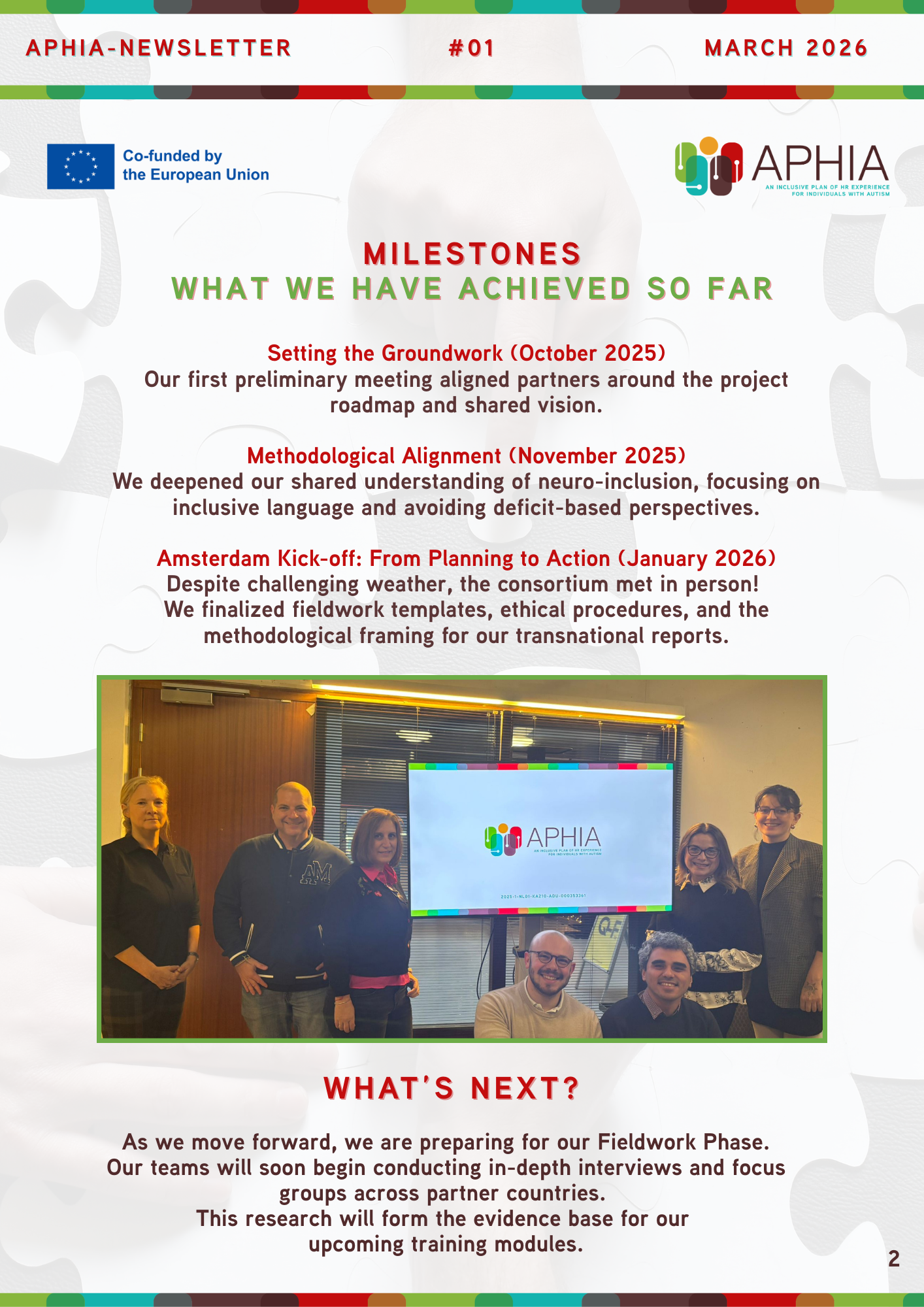
The first newsletter marks the project’s move from setting up to putting plans into practice across the partner countries. [short summary of contents]

Newsletter #1, page 1 of 3 Newsletter #1, page 2 of 3 Newsletter #1, page 3 of 3

07 · Partners

Partners

PUHU BV

Amsterdam, the Netherlands

Coordinator

A research and training company working at the meeting point of social science and technology. PUHU BV coordinates APHIA and leads project management and dissemination.

Poderío Training & Research

Córdoba, Spain

Fieldwork lead

A multidisciplinary training company that advises HR departments on recruitment, soft skills and reducing bias in selection.

poderiotrainingandresearch.com

Skill Up Srl

Rome, Italy

Training lead

A training company in adult education, specialising in soft skills, emotional intelligence and inclusive training.

skillupsrl.it

08 · Funding

Funding

[EU emblem: “Co-funded by the European Union”]

APHIA is co-funded by the Erasmus+ Programme of the European Union (project number 2025-1-NL01-KA210-ADU-000353361).

Funded by the European Union. Views and opinions expressed are however those of the author(s) only and do not necessarily reflect those of the European Union or the European Education and Culture Executive Agency (EACEA). Neither the European Union nor EACEA can be held responsible for them.

09 · Contact

Questions about APHIA?

PUHU BV (coordinator)
Startup Village, Science Park 608
1098 XH Amsterdam, the Netherlands
Write to aphia@puhu.com